
For many men in The Woodlands, the decision to pursue Testosterone Replacement Therapy (TRT) is often met with a mix of hope for renewed vitality and concern regarding long-term safety. Perhaps the most significant hurdle for men over fifty is the persistent cycle of TRT heart health myths that have circulated in the media for years. These concerns often stem from outdated or misinterpreted studies that suggested a link between testosterone supplementation and an increased risk of cardiovascular events.
However, modern medical research and high-quality clinical trials have provided a much clearer and more reassuring picture of how testosterone actually affects the male heart. Understanding the difference between sensationalized headlines and peer-reviewed science is essential for any man looking to improve his quality of life.
At Woodlands Wellness, we prioritize evidence-based medicine and patient safety, ensuring that every resident in our community has access to the facts they need to make informed health decisions. By addressing these myths head-on, we can help you navigate the path to hormonal balance with confidence and peace of mind.
Debunking the Most Common TRT Heart Health Myths
One of the most pervasive TRT heart health myths is the idea that increasing testosterone levels naturally leads to a higher risk of heart attacks or strokes. This myth gained traction following a few flawed studies that did not properly account for pre-existing conditions or the specific types of testosterone used. In reality, more recent and robust research, including the landmark TRAVERSE trial, has shown that when TRT is administered correctly and monitored by medical professionals, there is no significant increase in major adverse cardiovascular events.
In fact, many experts now believe that maintaining healthy testosterone levels is actually protective of the cardiovascular system. Low testosterone, or hypogonadism, is frequently associated with increased body fat, insulin resistance, and poor lipid profiles, all of which are primary risk factors for heart disease.
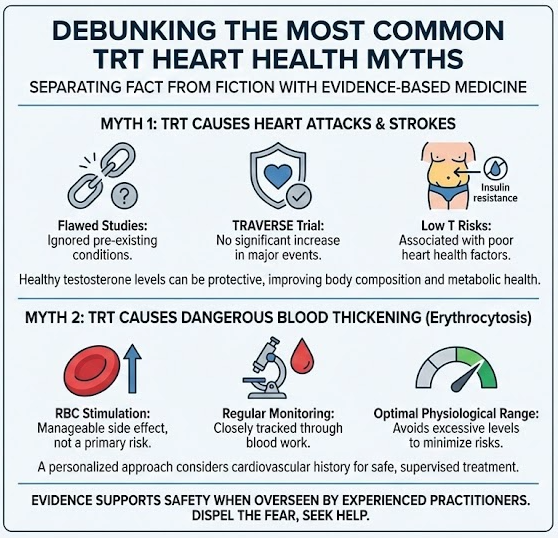
For men in The Woodlands, addressing low T can lead to improvements in lean muscle mass and a reduction in visceral fat, which directly benefits heart health. Another common myth is that TRT causes dangerous thickening of the blood, known as erythrocytosis. While testosterone can stimulate red blood cell production, this is a manageable side effect that we monitor closely through regular blood work at Woodlands Wellness.
By keeping your levels within the optimal physiological range rather than excessive supra-physiological levels, we minimize risks while maximizing the benefits to your energy and libido. We focus on a personalized approach that considers your entire cardiovascular history before starting any treatment plan.
Our goal is to provide a safe environment where men can regain their vitality without compromising their long-term health. We encourage our patients to look at the totality of the evidence, which overwhelmingly supports the safety of TRT when overseen by experienced practitioners. Understanding these nuances helps dispel the fear that often prevents men from seeking the help they need.
The Importance of the TRAVERSE Trial Results
The TRAVERSE trial is one of the most significant recent studies in the field of men’s health, specifically designed to address the safety of TRT in men with a high risk of heart disease. The study followed thousands of men and found that those receiving testosterone therapy did not have a higher rate of heart attacks or strokes compared to the placebo group.
This provides a high level of clinical certainty for men in The Woodlands who may have been hesitant to start therapy due to cardiovascular concerns. It highlights that the previous “scares” were likely due to poor study design rather than the hormone itself. At Woodlands Wellness, we use these findings to guide our protocols and provide our patients with the most up-to-date safety information available in the medical community.
How Optimized Testosterone Supports Cardiovascular Wellness
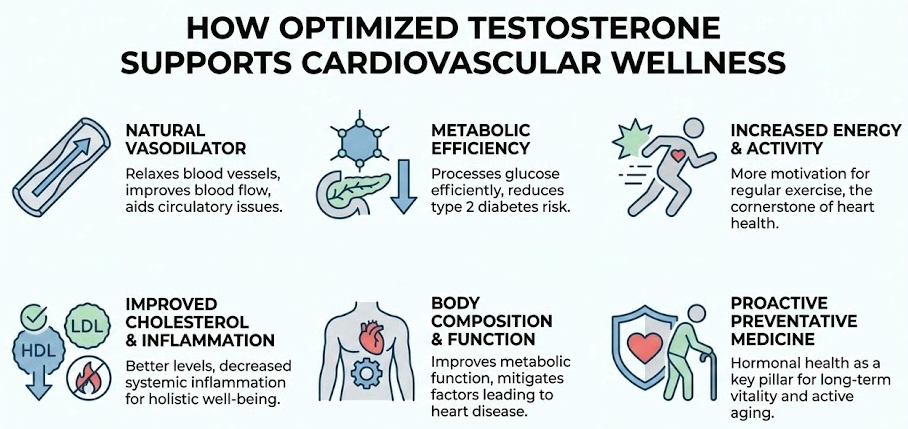
Far from being a threat, optimized testosterone levels play a vital role in maintaining a healthy cardiovascular system as men age. Testosterone acts as a natural vasodilator, meaning it helps the blood vessels relax and improves blood flow throughout the body. This can be particularly beneficial for men in The Woodlands who are managing hypertension or other circulatory issues.
Furthermore, testosterone is essential for maintaining a healthy metabolism; it helps the body process glucose more efficiently and reduces the risk of developing type 2 diabetes. When a man’s hormones are in balance, he is more likely to have the energy and motivation to engage in regular physical activity, which is the cornerstone of heart health.
We often see improvements in our patients’ cholesterol levels and a decrease in systemic inflammation once their testosterone levels are restored to an optimal range. It is a holistic benefit that touches every aspect of a man’s physical well-being.
At Woodlands Wellness, we don’t just look at a single number on a lab report; we look at how your hormones are interacting with your overall health. By improving body composition and metabolic function, TRT helps mitigate the very factors that lead to heart disease in the first place. This proactive approach to men’s health is what allows our patients to stay active and engaged in their lives well into their senior years. We believe that hormonal health is a key pillar of preventative medicine, and our protocols reflect this commitment to long-term vitality.
Testosterone’s Role in Metabolic and Lipid Health
A healthy heart is closely tied to a healthy metabolism, and testosterone is a primary regulator of how men store fat and use energy. Men with low testosterone often experience a shift toward carrying more weight in the abdominal area, which is the most dangerous type of fat for heart health.
By restoring testosterone to healthy levels, we help our patients in The Woodlands shift their body composition back toward lean muscle. This change often leads to a natural improvement in triglyceride levels and an increase in HDL, the “good” cholesterol. These metabolic shifts are crucial for reducing the overall burden on the heart and ensuring a long, healthy life.
The Role of Medical Supervision in TRT Safety
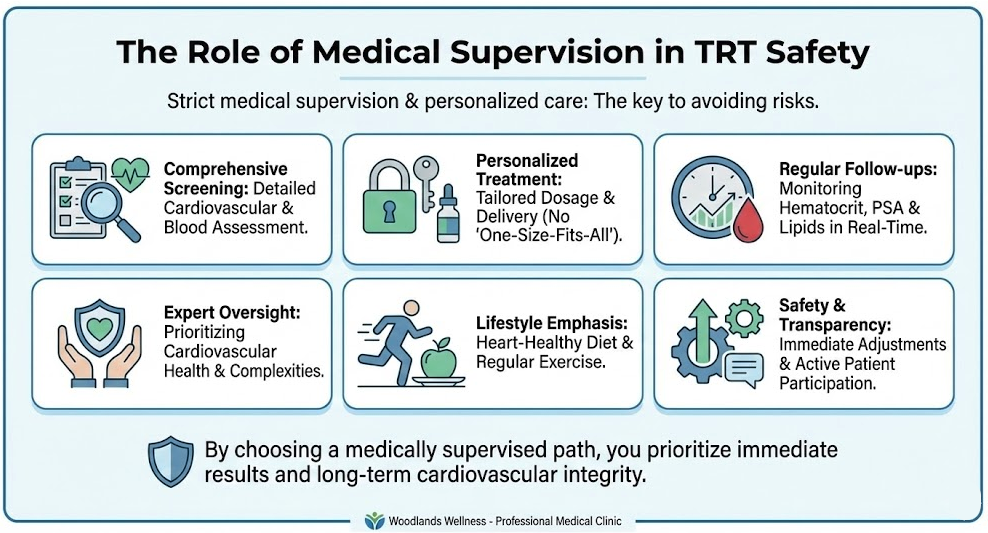
The key to avoiding the risks mentioned in many TRT heart health myths is the presence of strict medical supervision and personalized care. At Woodlands Wellness, we follow a comprehensive screening process that includes a detailed cardiovascular assessment and baseline blood work before any treatment begins.
We don’t believe in “one-size-fits-all” prescriptions; instead, we tailor the dosage and delivery method to your specific biological needs. Regular follow-up appointments are a non-negotiable part of our program, allowing us to monitor your hematocrit, PSA levels, and lipid panels in real-time. This level of oversight is what differentiates a professional medical clinic from “low T centers” that may not provide the same depth of care.
For residents of The Woodlands, this means you can pursue TRT with the knowledge that your heart health is being monitored by experts who understand the complexities of hormone replacement. We also emphasize the importance of lifestyle factors, such as a heart-healthy diet and regular exercise, as part of your total treatment plan. If any markers move outside of the ideal range, we make immediate adjustments to ensure your safety and continued progress.
Our transparent and customer-first philosophy ensures that you are an active participant in your health journey. We take the time to answer your questions and address any concerns you may have about the latest research or media reports. By choosing a medically supervised path, you are prioritizing both your immediate results and your long-term cardiovascular integrity.
Monitoring and Adjusting for Long-Term Success
Success with TRT is not just about the first few weeks; it is about maintaining balance over years of therapy. Our monitoring protocol at Woodlands Wellness is designed to catch any minor shifts in your health before they become major issues.
This include checking blood thickness and monitoring blood pressure at every visit to ensure the therapy is working in harmony with your body. By being proactive rather than reactive, we ensure that the benefits of TRT, such as improved mood, strength, and heart health are sustained for the long haul. This commitment to safety is why men in The Woodlands trust us with their hormonal health and vitality.
Dietary choices play a significant role in how your body responds to TRT and how your heart functions over time. We encourage our patients in The Woodlands to focus on a diet rich in healthy fats, lean proteins, and plenty of fiber to support their cardiovascular system.
Omega-3 fatty acids, found in fish and walnuts, are particularly important for reducing inflammation and supporting arterial health. Avoiding excessive processed sugars and trans fats is also essential for maintaining the metabolic gains achieved through hormone therapy.
When your nutrition is aligned with your hormonal goals, you will see faster results in your body composition and energy levels. Our team can provide guidance on specific foods that support heart health and hormonal balance. Proper nutrition is the fuel that allows TRT to work effectively while keeping your heart strong and resilient.
Stress management is an often-overlooked component of both hormonal balance and cardiovascular health for men in high-pressure environments. Chronic stress leads to elevated cortisol levels, which can directly counteract the benefits of testosterone and put undue strain on the heart.
We recommend that our patients in The Woodlands incorporate daily stress-reduction practices, such as deep breathing, meditation, or spending time outdoors. Managing your stress levels helps keep your blood pressure stable and ensures that your body remains in a “healing” state rather than a “survival” state. High cortisol is also linked to the accumulation of belly fat, which we know is a major risk factor for heart disease.
By addressing the psychological aspects of health, you provide a better foundation for your physical treatments to succeed. A calm mind is a powerful ally in the quest for a healthy heart and a vital life.
Regular cardiovascular exercise is the perfect partner for Testosterone Replacement Therapy, as it maximizes the heart-health benefits of optimized hormones. While TRT helps build muscle and improve energy, aerobic exercise like swimming, cycling, or brisk walking keeps the heart muscle strong and the blood vessels flexible.
We suggest that men in The Woodlands aim for at least 150 minutes of moderate-intensity exercise per week to maintain optimal cardiovascular function. The increased stamina and recovery capacity provided by TRT often make it much easier for men to stick to a consistent workout routine. Exercise also helps naturally regulate blood pressure and improves the body’s sensitivity to insulin.
Combining professional hormone management with a dedicated fitness plan is the most effective way to ensure long-term vitality. Your heart is a muscle that needs to be challenged to stay healthy, and TRT gives you the energy to meet that challenge.
We invite you to visit Woodlands Wellness to discuss your health goals and learn the truth about TRT and your heart. Our team is committed to helping you understand the facts behind TRT heart health myths through a personalized consultation. You can visit our website to explore our full range of men’s vitality services and functional medicine options.
We are located in The Woodlands at 4850 W. Panther Creek Dr. and are ready to help you reclaim your energy safely. Schedule your appointment today to see how we can support your journey to optimal health and wellness.
The truth about TRT and heart health is found in modern science, not in outdated myths. By choosing a medically supervised program at Woodlands Wellness, you can safely enjoy the life-changing benefits of hormonal optimization while protecting your most important muscle your heart.